
Get to know our brands





Get to know our brands
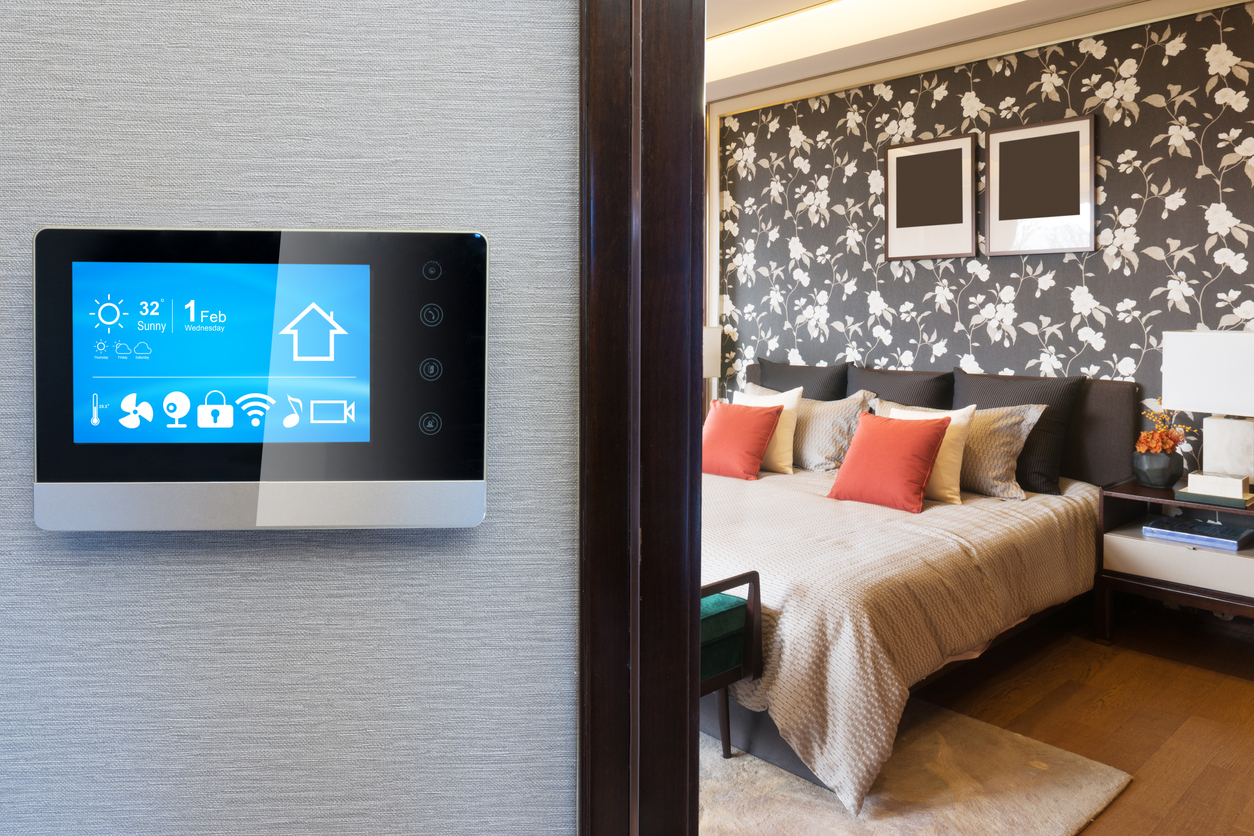
The key to automation in the hospitality industry is knowing when and where to use it to help staff enhance the guest experience without losing the human touch. Foodbuy Hospitality has the programs and expertise to apply technology-driven solutions to replace high-cost manual tasks that bog down your operation. That’s what automation is all about.
There are benefits to automation in hospitality, such as making it easier for guests to check in with a kiosk or using analytics to tailor amenities to clients, but there are risks, such as data security, guest dissatisfaction, and service gaps.
If all this sounds confusing, read on for tips to help you navigate the automation landscape in the hospitality industry. Or you can contact us to speak about your specific needs.
Broadly speaking, automation in the hospitality industry falls into two categories: guest-facing and back-of-house.
Examples of guest-facing automation include:
When it comes to the back-of-house side, we’re looking at:
The guest-facing amenities get a lot of attention, but many of the largest efficiencies come from procurement workflow automation in hospitality. For example, Foodbuy Hospitality is one of the top companies in hospitality procurement automation. Its OneSource product has proven cost-saving benefits by automating invoices, reducing mistakes, and helping make sure products arrive on time. It also puts all your ordering, receiving, inventory management, reconciliation, supplier access, approved products, and contract pricing all in one place.
When you make the right investments and implementations toward automation, they create a smoother experience for guests, staff, and the business overall.
From the guest’s perspective, they get:
On the staff side of things, they’ll benefit from:
And the business will get a boost, too, with:
 The Risks
While there are great upsides to investing in automation, it isn’t without risks. It can have major upfront costs with unclear returns on investment.
A bad guest experience with automation can include:
Staff can also have problems with automation because:
Meanwhile, the business can suffer from poor automation if:
Like with any business decision, when considering hospitality automation solutions, you need to weigh the rewards and risks.
Here’s a quick overview of the most common situations:
| Workflow | Potential reward | Potential risk | Best-fit automation approach |
| Guest check-in | Faster arrivals and shorter front desk lines | Frustration for guests who need help or prefer personal service | Offer digital check-in while keeping staff available for support |
| Guest requests | Faster routing and response tracking | Requests may feel impersonal if communication is too automated | Automate routing, but keep human follow-up for complex needs |
| Procurement workflows | Better approval control, spend visibility, and purchasing consistency | Poor setup can create bottlenecks or off-contract purchasing gaps | Use clear approval rules, preferred suppliers, and a managed order guide |
| Inventory management | Better stock visibility and fewer manual counts | Inaccurate data can lead to ordering mistakes | Pair automated tracking with regular physical checks |
| Invoicing and AP | Less manual entry and faster reconciliation | Integration or data capture errors can affect payment accuracy | Use automation with review steps and exception handling |
| Reporting and analytics | Stronger insight into spend, usage, and performance | Teams may misread data without context | Combine dashboards with account management and operational review |
| Staff scheduling | Better labor planning and reduced admin work | Over-optimization can hurt morale or service coverage | Use automation as a planning aid, not a replacement for manager judgment |
When deciding on where to start placing automation, you should look for low-risk, high-value targets. These tend to be repetitive, high-volume, and rules-based tasks.
Back-of-house operations are a good place to start, especially with procurement workflow automation.
A strong start would include:

These tasks fit the bill where manual work creates errors, delays, poor visibility, and inconsistent purchasing.
Guest-facing services are where the benefits of automation carry more risk. Routine guest service requests are a high-yield, low-risk play. For example, since all guests check out, creating an automated system will help take pressure off staff and provide a more seamless experience.
With other guest-facing services, a well-tested, slow rollout of hospitality automation solutions is recommended. You need to ensure that your staff training, manual backups, and documentation work in tandem with your automation implementation. Otherwise, you risk damaging guests’ perception of your brand.
How to Know If Your Hospitality Operation Is Ready for Automation
It’s very easy for a business to dive headlong into automation. Leaders see the efficiencies and want implementation quickly. However, it’s important to make sure your automation’s reach does not outstrip its grasp. Here are some checklists to help see if your team is ready.
For staff:
For leaders:
Smooth implementation comes down to two factors: investing in the right technology and training your people to use it.
When choosing the right technology, you should consider:
After deciding on which technologies you want to invest in, you should do a pilot program with a staged rollout. Piecemeal implementation will help your staff acclimate to the new automations, making the automations feel supportive rather than disruptive.
This will also help identify any pain points and how to address them. One final piece of advice is to set key performance indicators (KPIs) for the hospitality automation solutions implemented. Deciding on benchmarks early helps leadership track improvements and deficiencies.
Even with the benefits, customer service should remain a top priority. Make sure your staff is well-versed in customer service best practices and is prepared to handle any issues or complaints that may arise.
New technologies should be about reducing friction and increasing efficiency. Hospitality is about empathy and judgment. Tasks like conflict resolution, VIP moments, special requests, and service recovery still require a human touch.
Guests may enjoy the speed and consistency of automation, but they’ll also get peace of mind with a clear and easy path to human help.
Data security is an important factor to consider when considering automation in hospitality. Before you add a new system, make sure your existing setup is secure and that data is stored safely. Also, be sure to stay up to date on the latest security protocols and best practices.
When it comes to data security and privacy, you should consider:
Prevention is the best way to avert disaster, so it’s best to secure your business’s data before you even start.
Foodbuy Hospitality is more than just a vendor; we’re a procurement and purchasing support partner. As one of the top companies in procurement automation, we support people and organizations that work with us with a holistic approach, including:
We have an edge over our competitors because Foodbuy Hospitality has access to on-the-ground expertise in everything from flexible distribution to foodservice technology. This means we can provide member-specific solutions for your automation needs.
When it comes to automation in hospitality, it’s easy to fall into the trap of thinking the latest technology will bring your business up to speed. However, the reality is that you need to look before you leap. Imagine getting a new inventory management software, but no one on staff knows how to update it.
That’s why ideal outcomes require strategic thinking. You need technology that complements current workflows, freeing up your employees to spend more time accommodating guests and not being bogged down with minutiae.
This is where Foodbuy Hospitality shines. We are experts at introducing new systems and technologies while preserving the human side of service.
Speak with an account manager from Foodbuy Hospitality now to discuss sourcing, distribution, and culinary support options.
Tools like Foodbuy’s OneSource can support procurement teams by putting all your ordering, receiving, inventory management, reconciliation, supplier access, approved products, and contract pricing in one place.
Automation can provide better approval control, spend visibility, and purchasing consistency. It can be set up to automatically generate reports and analytics to give staff and managers a better understanding of where money is flowing.
Hotels should ask vendors what type of training and documentation they provide, best practices for integration into current workflows, and what services they offer for maintenance. You should also research the track record of the solutions being offered for data security and whether they are well-received by guests.